
Kanchipuram history: why the town matters
Kanchipuram, also written Kancheepuram and often called Kanchi, is a religious centre in Tamil Nadu and a centre of silk weaving. Its nickname is the City of a Thousand Temples, which is a nickname and not a current count. The history of the town is mostly read through its temples, because they carry the dates, the rulers and the styles that distinguish one period from the next.
The city was upgraded to a City Municipal Corporation in 2021. For scale, the city administration gives 232,816 inhabitants for the 2011 census. This is a historic figure and not a population for today. If you are planning a visit, start with the Kanchipuram temples page and come back here for the background.
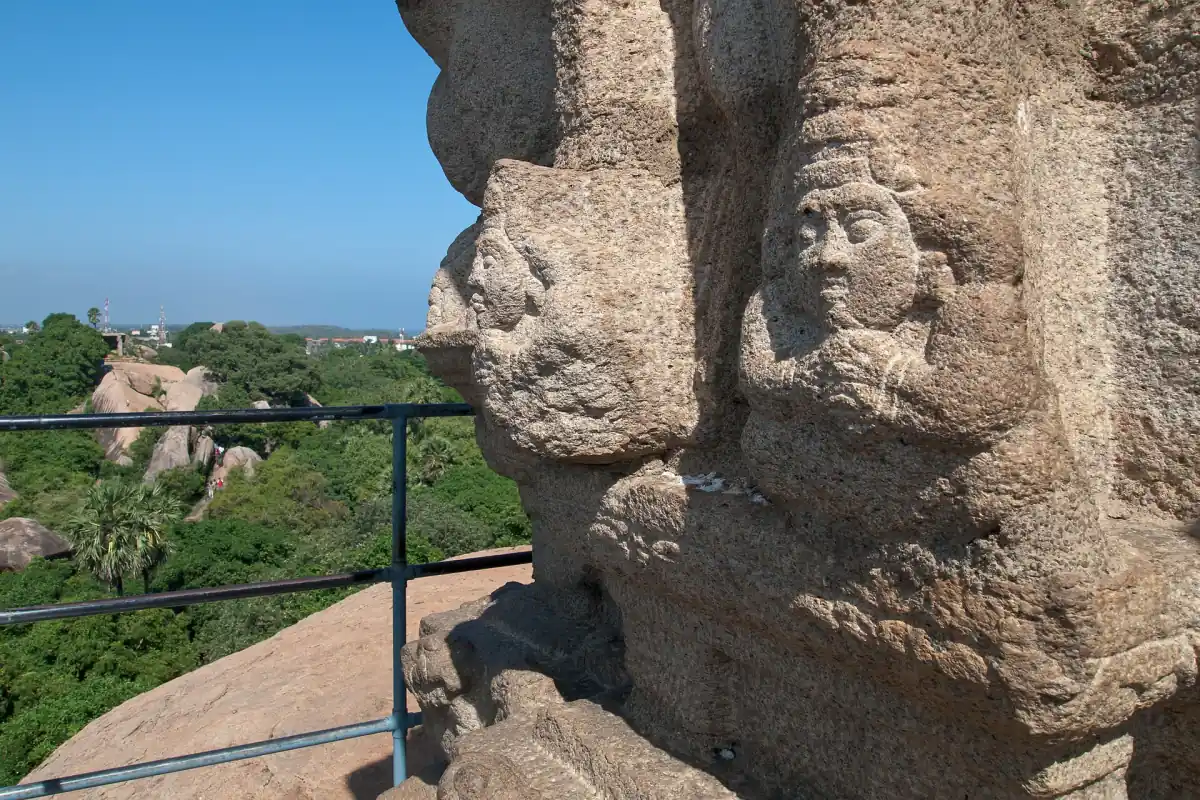
The nearest Pallava guided walk
No Kanchipuram history tour is on offer here, so this guided walk at the Shore Temple in Mahabalipuram is the nearest match for the Pallava story.
Hand-picked tours, booked through Viator. Prices are indicative starting prices in US dollars (as of October 2026). Tap a tour for live availability and the current price in your currency.
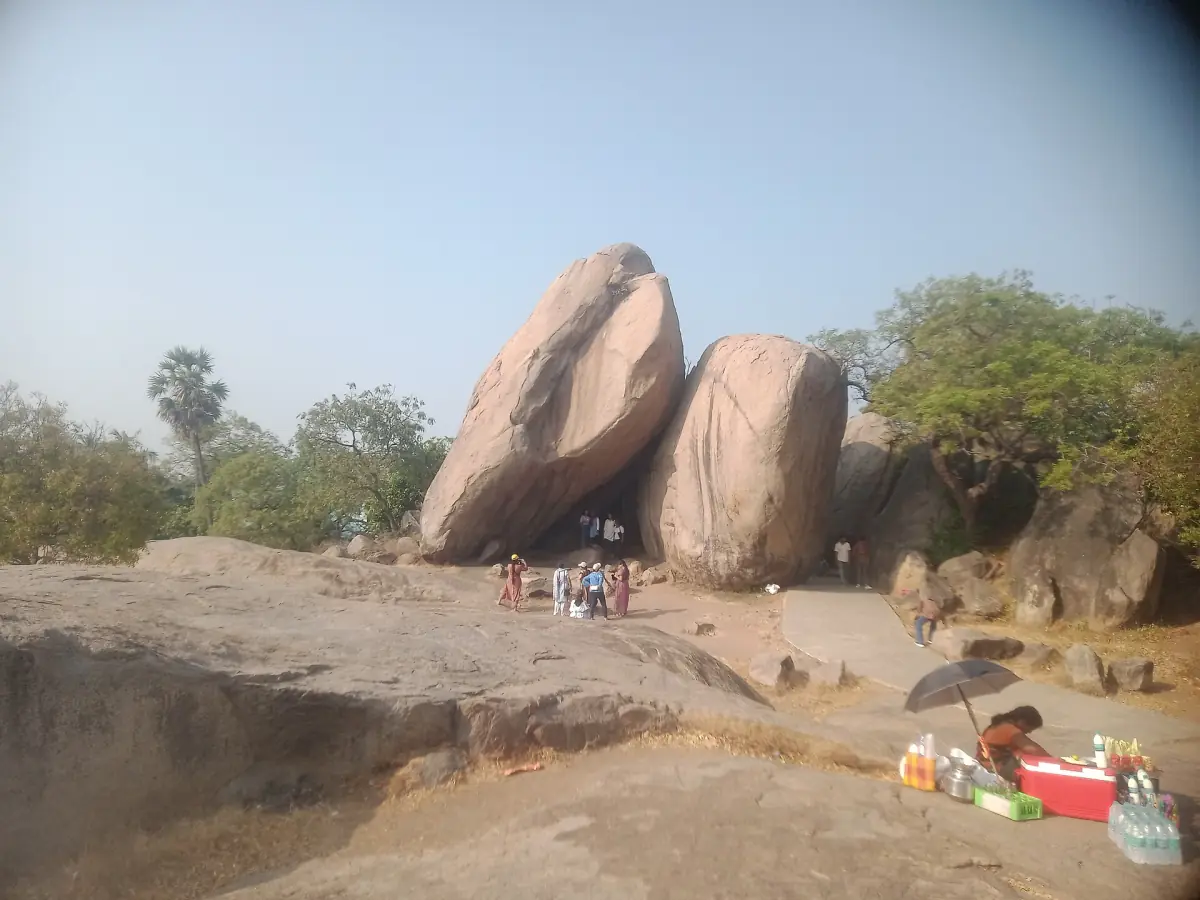
Guided days with Kanchipuram history
Day trips from Chennai that combine Kanchipuram temples with Pallava sites on the coast, a Pallava-focused walk at Mahabalipuram and a longer Tamil Nadu route. Compare what each offer includes.
The Pallava capital
The UNESCO proposal for the Temples of Kanchipuram describes Kanchi as the capital of the Pallavas under Simhavishnu from about the 6th century and in the centuries after. The best known example for visitors is the Kailasanathar Temple, a sandstone temple on a granite base that is attributed to the ruler Rajasimha, whose reign the proposal places at 700 to 728 CE. The Vaikunta Perumal Temple, which the proposal knows as Paramesvara Vinnagaram, belongs to the same tradition.
Dates for individual buildings are not simple. The district tourism page speaks of the 7th century for the Kailasanathar Temple, while the proposal gives the reign of its patron, so the safest way to date the building is the Pallava period. Religious stories about the founding of temples and the age of the sacred mango tree are traditions of faith and not archaeological dates. The five main temples should not be assumed to date from one period or one ruler.
Chola and Vijayanagara periods
The Chola dynasty later made Kanchi another of its capitals and a centre of temple building, according to the same proposal. The district administration credits Krishnadevaraya of the Vijayanagara period with the tall entrance gateway of the Ekambareswarar Temple, which is the clearest link between the town and that empire. The gateway is described on our temples page, which gives no height figure.
What this means for a visit is a layered town. A low Pallava sandstone temple, a Vishnu temple with a pillared hall and a tall gateway of a later empire can all be seen on one day. Read the Varadharaja Perumal Temple page if you want to see how a living temple with a long tradition works in practice.
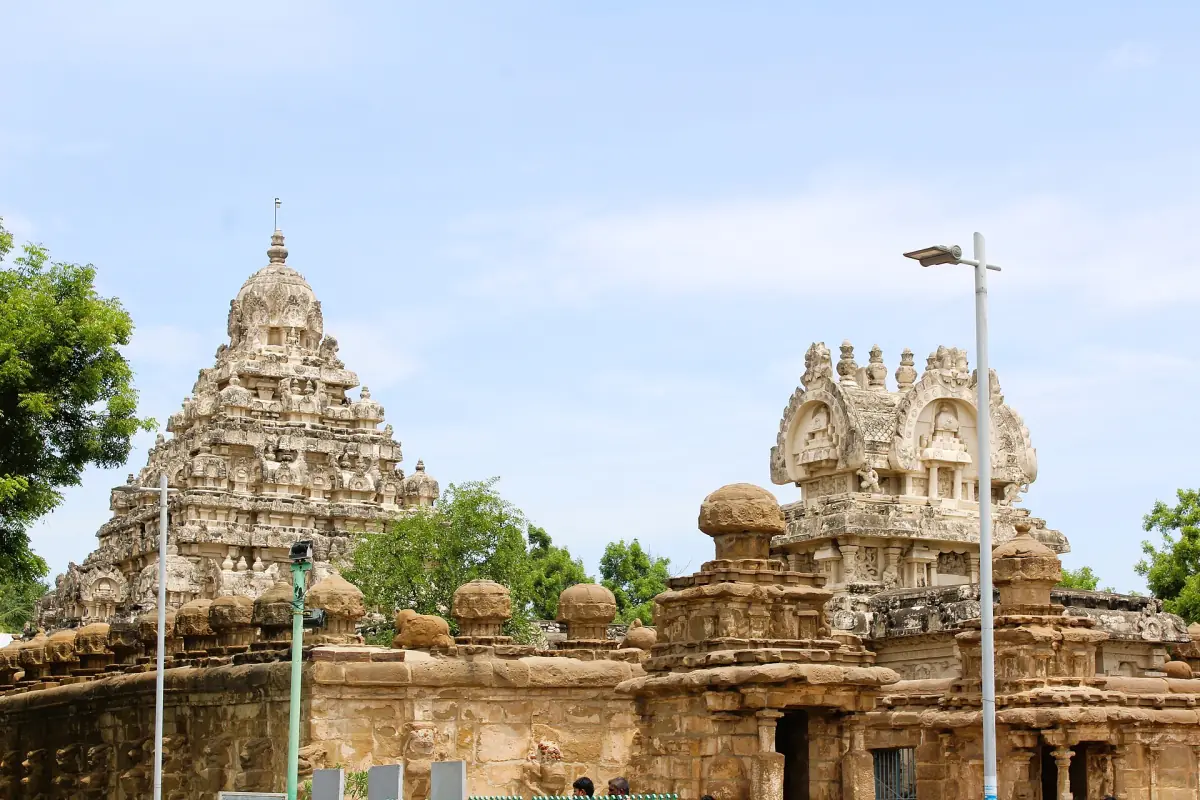
UNESCO Tentative List, not World Heritage
The Temples of Kanchipuram are on UNESCO's Tentative List, submitted on 13 April 2021. A Tentative List entry is a preliminary step and not an inscription. The proposal has 11 components, and the Kamakshi Amman Temple is not one of them. Mahabalipuram, on the other hand, is listed by the Archaeological Survey of India as a World Heritage site since 1984, which is why people sometimes confuse the two places.
Silk and the geographical indication
Weaving is the living side of Kanchipuram history. The silk is protected as a geographical indication under the name Kancheepuram Silk, and the registry entry dates to 2004 and 2005. The Silk Mark you may see on a saree shows that the silk is pure silk, but not where it was woven. If you want to see how the craft fits into a visit, the silk sarees page explains what to look for.
A weaving visit is something a guided tour can include. For a first look at the cloth itself, the shopping streets and the shops are the usual starting point.
From Kanchipuram to Mahabalipuram
The Pallava story continues on the coast. About 70 km from Kanchipuram, which a route portal gives as roughly 1.5 hours with no guaranteed travel time, lie the monuments of Mahabalipuram with the Shore Temple and the Rathas. A guided walk at the Shore Temple places the monuments in their Pallava setting. It meets at the entrance of the Shore Temple and includes a professional guide and entrance charges, and it is a walk in Mahabalipuram only, without a visit to Kanchipuram. For the practical side, see the Mahabalipuram page.
Kanchipuram history: frequently asked questions
Which dynasties shaped Kanchipuram?
The Pallavas made it their capital from about the 6th century, the Cholas later made it another capital, and the Vijayanagara period is linked to the gateway of the Ekambareswarar Temple.
Is Kanchipuram a UNESCO World Heritage site?
Not yet. The Temples of Kanchipuram are on UNESCO's Tentative List, submitted on 13 April 2021, which is a preliminary list and not an inscription.
Why is it called the City of a Thousand Temples?
It is a nickname for the number and importance of its temples. It is not a current count of temples.
What is the link between Kanchipuram and Mahabalipuram?
Both belong to the Pallava story. Kanchi was a Pallava capital, and Mahabalipuram on the coast holds Pallava monuments such as the Shore Temple.
What does the Kancheepuram Silk indication mean?
It is a geographical indication with a registry entry from 2004 and 2005 that protects the name of the silk. The Silk Mark is a different thing, because it shows purity and not origin.